Youngpool Technology | 왜 점점 더 많은 SMT 공장이 지능형 스플라이싱 머신을 도입하는가
Aug 31, 2026
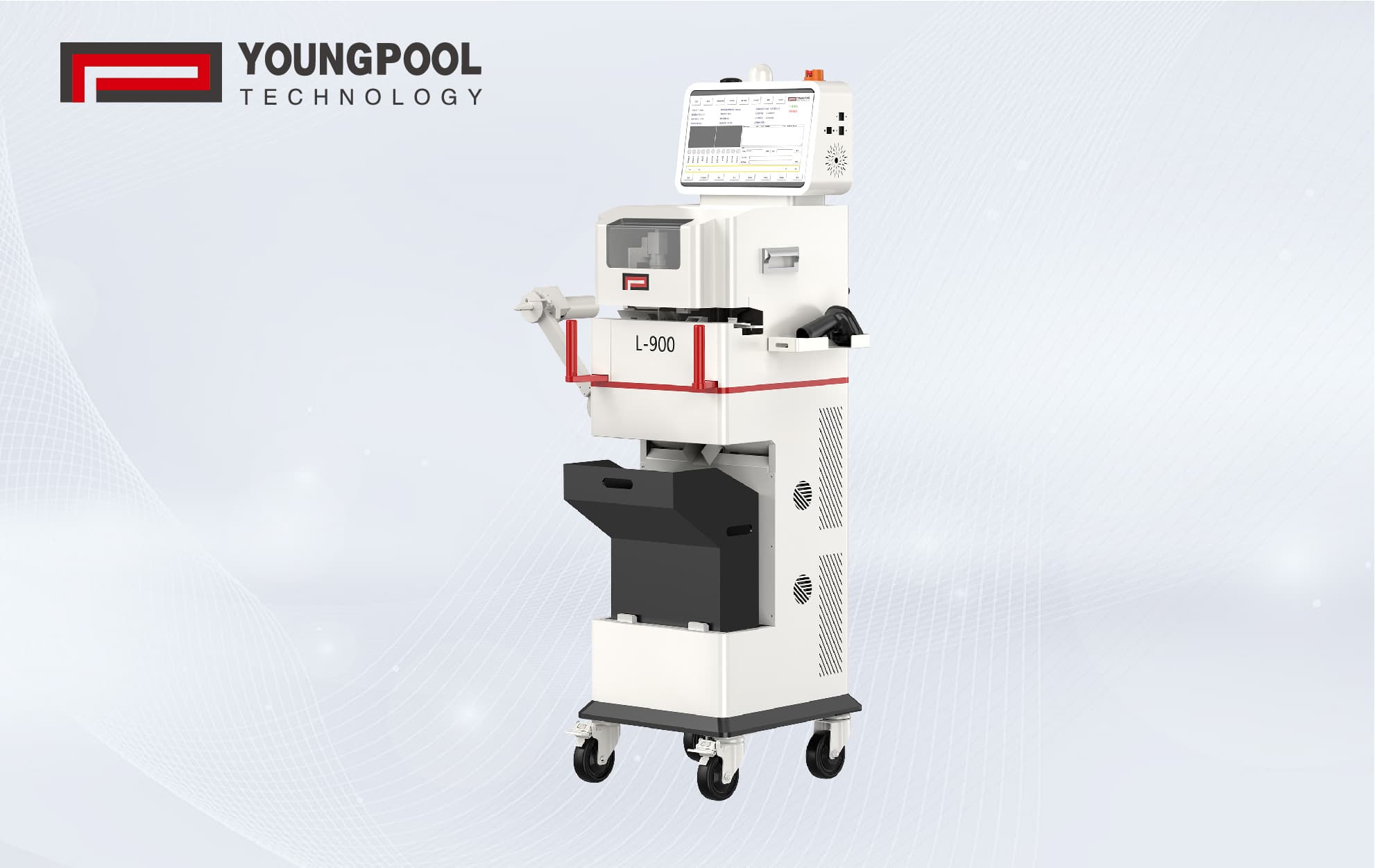
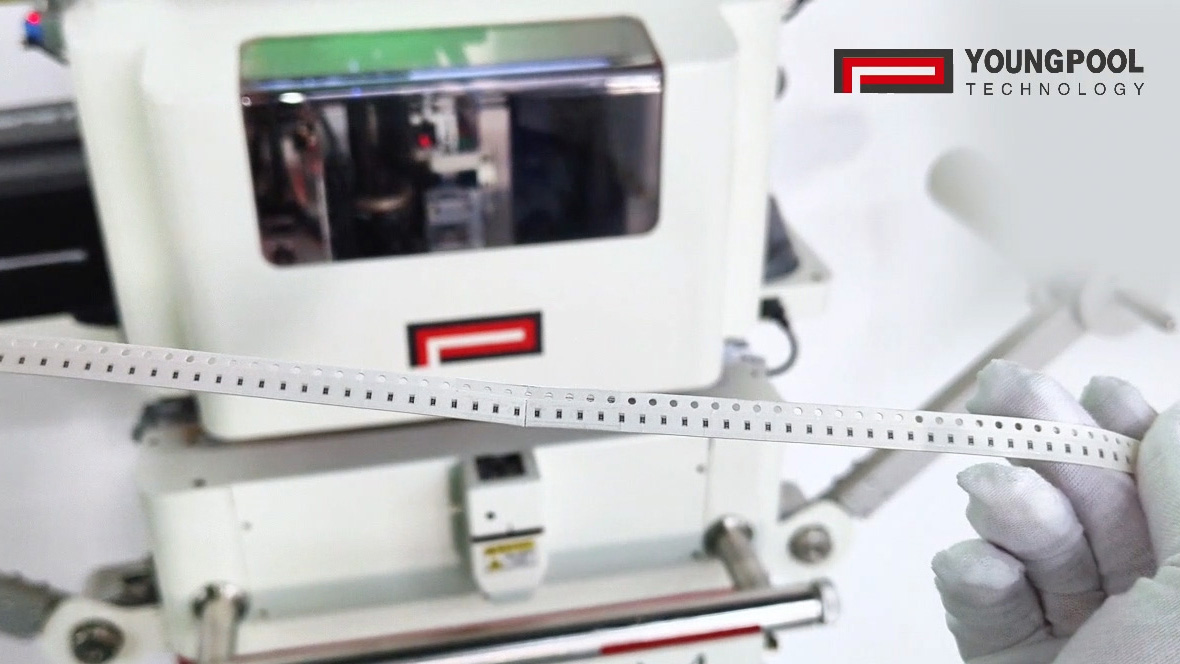
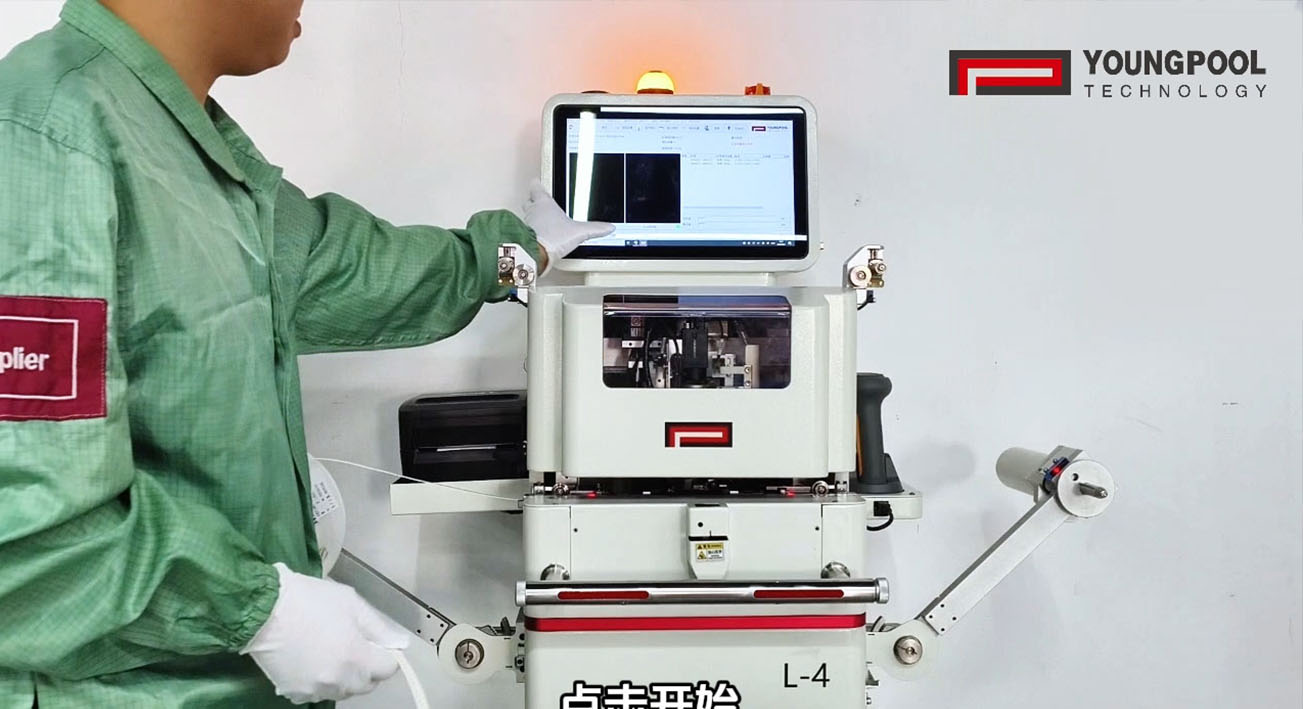
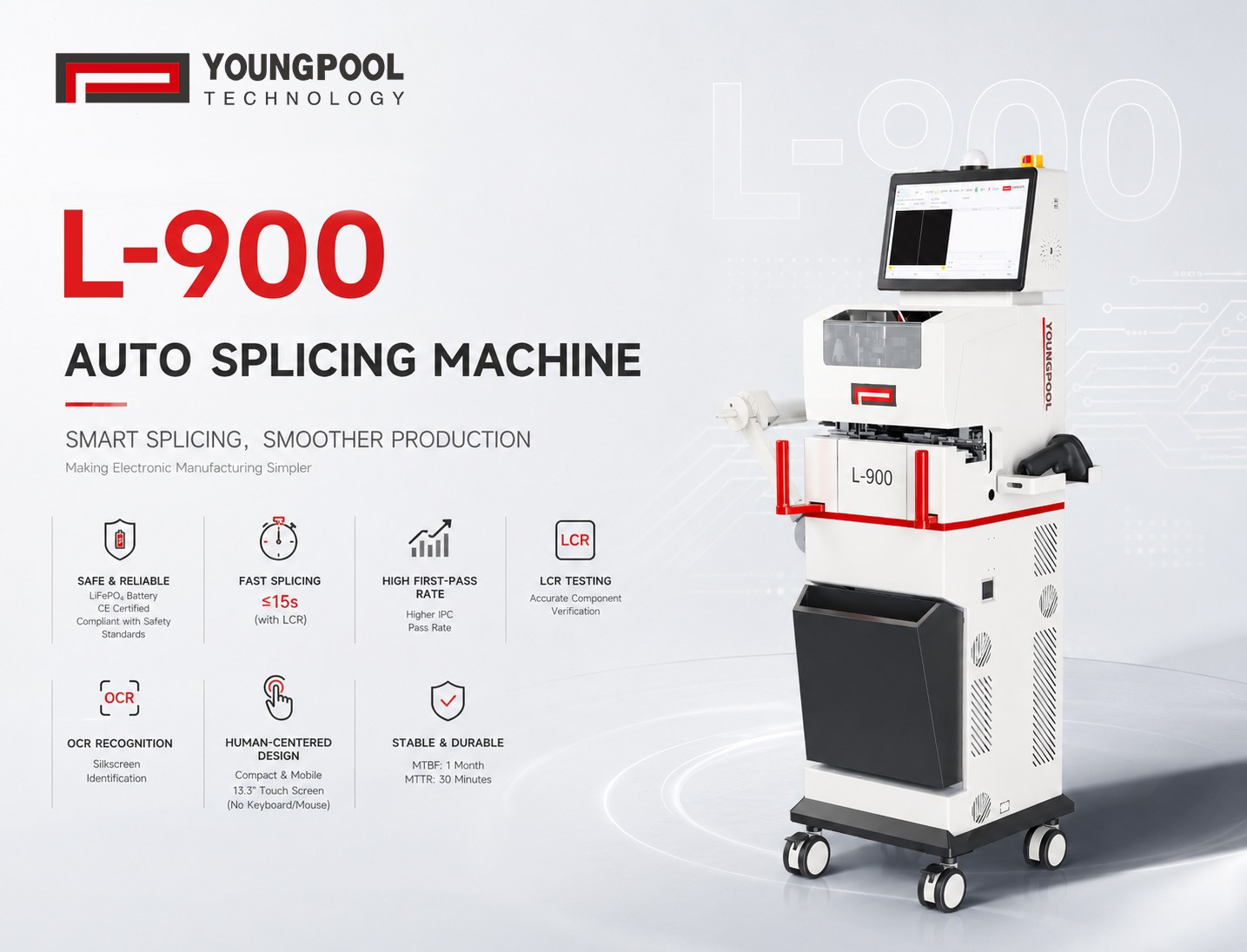
그 동안SMT 생산전자제품 제조 공정에서 픽앤플레이스 장비는 고속으로 연속 작동해야 하며, 자재 공급은 생산 주기에 맞춰 이루어져야 합니다. 릴에 감긴 부품이 거의 다 떨어지면 작업자는 신속하게 릴을 교체하거나 테이프를 접합해야 합니다. 그렇지 않으면 자재 공급이 중단되어 픽앤플레이스 장비의 연속 작동에 차질이 생길 수 있습니다. 전자제품 제조가 다품종 소량 생산으로 전환됨에 따라 제품 모델과 자재 종류가 계속 증가하고 있으며, 이로 인해 생산 라인에서 자재 변경 빈도가 높아지고 있습니다. 단순해 보이는 접합 작업이 고빈도 반복 생산 환경에서 작업자 효율성, 자재 관리 및 생산 연속성에 영향을 미치는 중요한 공정으로 점차 자리 잡고 있습니다. 전통적인 수동 접합 방식의 단점 기존의 수동 테이프 접합 방식은 일반적으로 재료 인출, 바코드 스캔, 빈 테이프 절단, 테이프 정렬, 접합 테이프 부착, 압착, 되감기 등 여러 단계를 거칩니다. 전체 공정은 작업자의 숙련도에 따라 결과가 크게 달라지며, 작업자 간의 숙련도 차이는 작업 속도, 테이프 정렬 정확도, 접합 품질에 영향을 미칠 수 있습니다. 생산 라인에서 재료를 자주 교체해야 하는 경우, 반복적인 접합 작업이 많아지면서 작업자의 작업 부담이 가중될 뿐만 아니라 접합 효율성과 일관성이 인적 요인에 더욱 취약해집니다. 더욱 중요한 것은, 다품종 생산 환경에서 접합은 더 이상 단순한 문제가 아니라는 점입니다.“캐리어 테이프 두 릴을 연결합니다."재료의 일치 여부, 접합 위치의 정확성, 접합된 테이프가 공급 장치를 통해 원활하게 통과하는지 여부, 그리고 LCR 측정 결과 및 마킹 검증과 같은 재료 정보를 적시에 완료할 수 있는지 여부는 모두 후속 생산에 직접적인 영향을 미칩니다. 따라서 SMT 생산 라인에 필요한 것은 단순히 단일 접합을 더 빠르게 완료하는 방법이 아니라,이는 이전에는 수작업 경험에 의존했던 작업을 점진적으로 표준화하고 접합 작업을 재료 검증, 품질 관리 및 생산 관리와 통합하는 방법입니다. 영풀 테크놀로지 L-900 지능형 접합기: 수동 작업에서 공정 표준화로 접합 공정을 혁신하다 고주파 테이프 접합에 대한 수요를 충족하기 위해SMT생산 라인과 관련하여 Youngpool Technology는 자체적으로 **를 개발했습니다.엘-900지능형 접합기**, 8과 호환됩니다.–24mm 종이 및 플라스틱 캐리어 테이프는 SMT 생산 라인에서 가장 일반적으로 사용되는 테이프 규격을 충족합니다. 이 기계는 자동 위치 지정 및 열 프레스 본딩 기술을 사용하여 접합 공정을 완료함으로써 기존의 분리된 수동 작업을 통합된 기계 워크플로로 통합하고 반복적인 수작업을 줄입니다. 이를 바탕으로 L-900 인텔리전트가 출시되었습니다.접합기L-900 지능형 접합기는 다양한 생산 라인의 요구 사항에 따라 **LCR 테스트, 마킹 인식, 재료 바코드 오류 방지 및 맞춤형 MES 통합**과 같은 기능을 통합할 수 있습니다. 예를 들어, 부품의 LCR 검증이 필요한 경우 기존의 수동 공정에서는 일반적으로 추가적인 샘플링, 측정 및 기록 작업이 필요합니다. L-900 지능형 접합기는 접합 공정에 측정 기능을 통합하여 각 공정 단계 간의 반복 작업을 줄여줍니다. 또한 재료 바코드 오류 방지 및 마킹 인식 기능은 접합 공정 중 재료 검증을 위한 추가적인 수단을 제공합니다. Youngpool Technology L-900 지능형 접합기의 활용 가치 SMT 생산 라인에서 테이프 접합은 단순히 접합 작업으로 끝나는 것이 아닙니다. 접합된 테이프가 후속 생산 공정에 안정적으로 투입될 수 있는지 여부 또한 매우 중요합니다. L-900 지능형 접합기는 자체 개발한 접합 필름 도포 솔루션을 사용하여 자동 위치 지정 및 열 프레스 본딩을 통해 접합 작업을 완료합니다. 폭이 12mm 이상인 테이프의 경우, 2차 필름 도포 공정을 통해 접합 강도를 강화하고 후속 공급 장치의 작동을 원활하게 하여 접합된 테이프가 픽앤플레이스 장비의 자재 공급 공정에 더욱 안정적으로 투입될 수 있도록 합니다. 동시에, 이 기계는 위치 지정, 압착, 검사 및 오류 방지 기능을 접합 공정에 통합하여 작업자 간의 작업 방식 차이를 줄입니다. 다품종 생산의 경우, 이러한 공정 표준화는 반복적인 수작업을 줄일 뿐만 아니라 인간의 판단으로 인한 불확실성을 최소화하는 데에도 도움이 됩니다. SMT 공장에서 지능형 접합 장비를 도입하는 것은 단순히 수작업을 기계로 완전히 대체하는 것만을 의미하지 않습니다. 오히려 빈번하고 반복적이며 고도로 표준화된 접합 작업에 더욱 안정적인 솔루션을 제공하는 것을 의미합니다. 접합, 재료 검증, 검사 및 데이터 관리를 단계적으로 통합함으로써 기존에 분산되어 있던 작업들을 더욱 명확하고 체계적인 워크플로로 전환할 수 있습니다. 이는 특히 다양한 재료를 소량 생산하는 환경에서 매우 유용합니다. 이러한 환경에서는 생산 라인에서 매일 다양한 재료를 처리하고 재료 변경이 빈번하게 발생할 수 있습니다. 단일 접합에 소요되는 시간, 각 접합의 품질, 각 재료 검증의 정확성은 사소해 보일 수 있지만, 빈번하게 반복될 경우 전체 생산 리듬에 영향을 미칠 수 있습니다. 맞춤형 MES 통합을 지원하는 L-900은 접합 기능을 더욱 효율적으로 통합할 수 있습니다.—전통적으로 기록하기 어려웠던 작업—디지털 생산 관리로 전환하여 향후 데이터 추적 및 생산 관리를 위한 기반을 제공합니다. SMT 생산 라인의 효율성 향상은 주요 생산 설비에만 의존하는 것은 아닙니다. 점점 더 많은 전자 제조업체들이 다품종 소량 생산 방식을 채택함에 따라, 테이프 접합과 같이 빈번하고 반복적인 기본 공정 또한 점진적으로 개선되어야 합니다.“수동 실행"~ 을 향하여“프로세스 표준화." 수동 접합에서 지능형 접합으로의 전환은 작업자의 작업 방식만을 바꾸는 것이 아닙니다. 이전에는 개인의 경험에 의존했던 작업들을 보다 표준화되고 안정적이며 관리하기 쉬운 생산 공정으로 탈바꿈시킵니다. 그 **영풀 테크놀로지L-900 지능형 접합기**는 SMT 생산 라인의 고주파 접합에 대한 실제 요구 사항을 중심으로 개발되었습니다. ...
더보기


 산업 뉴스
산업 뉴스
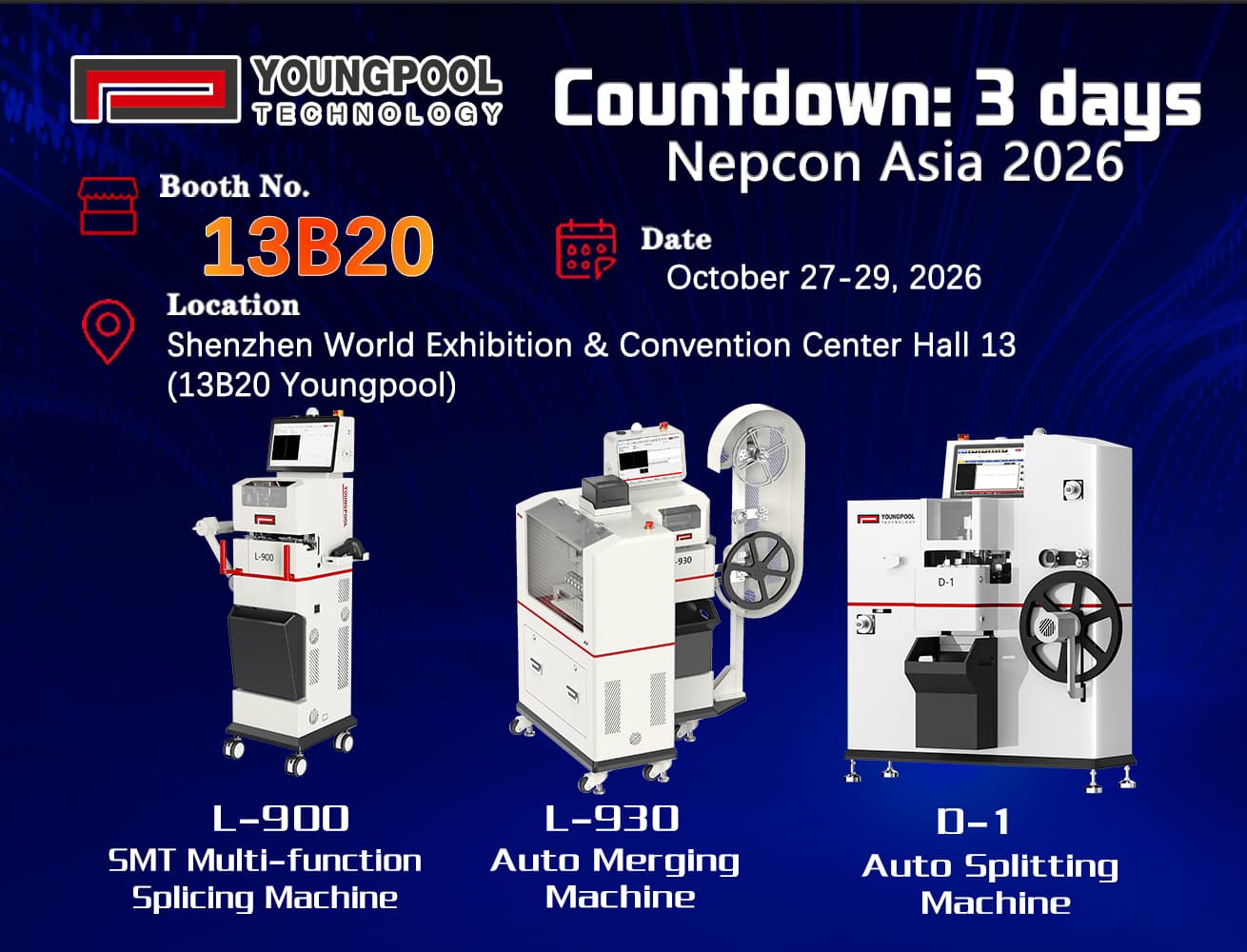
![[전시회 미리보기] 영풀 테크놀로지(Youngpool Technology), NEPCON ASIA 선전(Shenzhen) 초청 — 10월 27일~29일 | 부스 13B20](/uploadfile/news/83f908ab6467b0b3fb222b568b52bc27.jpg) 산업 뉴스
산업 뉴스
 산업 뉴스
산업 뉴스
 산업 뉴스
산업 뉴스
 산업 뉴스
산업 뉴스
 산업 뉴스
산업 뉴스
 산업 뉴스
산업 뉴스
 산업 뉴스
산업 뉴스
 산업 뉴스
산업 뉴스
 산업 뉴스
산업 뉴스


 IPv6 네트워크 지원